For decades, video game adaptations carried an unfortunate reputation. Fans expected disappointment, critics expected mediocrity, and studios often delivered rushed productions that borrowed familiar names but ignored what made the games special. That narrative, however, has changed dramatically and few shows embody this shift better than Prime Video’s Fallout.
With the arrival of Fallout Season Two, the post-apocalyptic series has cemented itself as more than just a successful adaptation. It has become a case study in how to translate an interactive world into compelling television without alienating fans or confusing newcomers.
So what exactly is Fallout’s secret? And why has it succeeded where so many others failed?
A Post-Apocalyptic World That Finally Feels Alive
Set in a future where Earth has been devastated by nuclear war, Fallout presents a strange blend of bleak survival, dark humour, and retro-futuristic satire. Viewers follow characters navigating irradiated wastelands, hostile factions, and the moral consequences of humanity’s obsession with power and technology.
The first season was both a critical and commercial hit, winning over long-time fans of Bethesda’s iconic game series while attracting viewers who had never touched a Fallout title. Its success was so significant that it directly impacted the games themselves increasing player numbers, reviving interest in older titles, and introducing an entirely new generation to the franchise.
According to Bethesda Softworks, Fallout’s resurgence after the show’s release mirrors what happened with The Witcher games following Netflix’s adaptation proof that strong storytelling on screen can breathe new life into interactive worlds.
The Industry Turning Point: From Failure to Fidelity
Fallout arrived during a crucial moment for Hollywood’s relationship with video games.
For years, adaptations were often stripped of nuance, rewritten beyond recognition, or treated as quick cash-grabs. Then, in 2023, HBO’s The Last of Us changed the conversation entirely.
Based on Naughty Dog’s acclaimed PlayStation title, The Last of Us closely followed the game’s storyline, earning praise for its emotional depth, performances, and respect for the source material. However, some critics argued that the show had an advantage its cinematic, linear narrative already resembled prestige television.
Fallout faced a very different challenge.
Why Fallout Was Harder to Adapt Than It Looked
Unlike The Last of Us, Fallout is not a linear experience. The games drop players into vast, open-ended worlds filled with branching storylines, side quests, optional factions, and player-driven moral choices.
There is no single “correct” Fallout story.
This made adaptation far more complex. The creators had to decide:
- Which events to show
- Which factions to focus on
- How to honor player choice without recreating gameplay
- How to remain faithful without becoming inaccessible
The solution was bold: tell a new story inside the Fallout universe rather than retelling an existing game plot.
This approach allowed the show to feel authentic while giving writers creative freedom a balance many adaptations fail to achieve.
Bethesda’s Role: Trust, Canon, and Collaboration
Todd Howard, director at Bethesda Game Studios, revealed that discussions about a Fallout screen adaptation date back as far as 2009. The idea lingered for years without progressing until Howard met Jonathan Nolan, executive producer of the series.
Nolan, known for Westworld and his work on films like The Dark Knight and Interstellar, wasn’t just a filmmaker he was a genuine Fallout fan.
That shared passion became the foundation of trust between Bethesda and the TV production team.
Howard has described the collaboration as unusually close, noting that both sides agreed early on that Fallout must feel authentic, not merely inspired by the games.
This philosophy extended to one crucial decision: the show would be canon.
Canon as the Guiding Principle
According to Emil Pagliarulo, Bethesda’s studio design director and a veteran of the Fallout franchise, the show’s events are officially part of the Fallout timeline.
That meant:
“Everything that happens in the show happened in the games, or will happen in the games.”
This commitment immediately raised the stakes. Fallout has nearly three decades of lore dating back to its original 1997 release, and its fanbase is deeply protective of continuity.
Maintaining canon required constant communication between game developers and the TV production team sometimes down to last-minute clarifications.
Pagliarulo recalls receiving late-night messages from the show’s set asking questions like:
“Is this canonically correct?”
This level of care is rare in adaptations and it shows.
Understanding That TV Is a Different Medium
Despite the emphasis on accuracy, the Fallout team understood that television cannot function like a video game.
Games allow exploration, experimentation, and failure. TV demands pacing, character arcs, and emotional clarity. Rather than fighting this reality, Fallout embraced it.
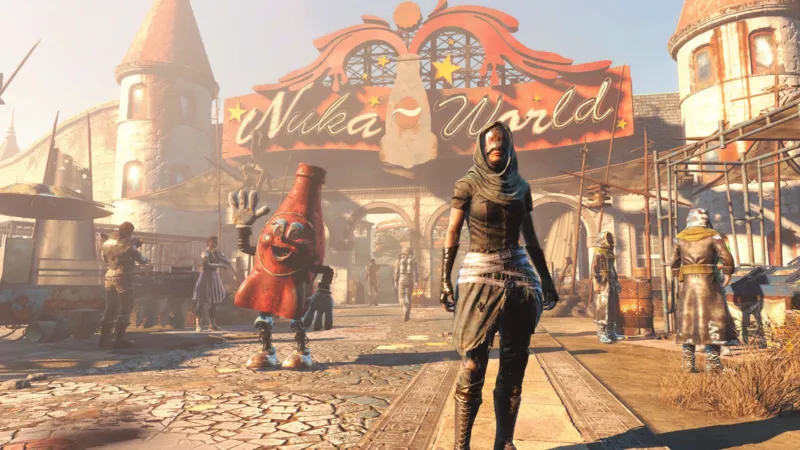
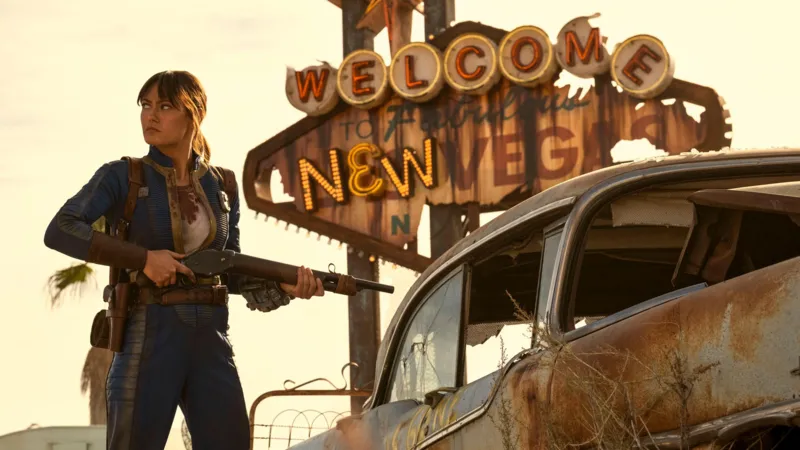
The show captures the tone of the games absurd, brutal, satirical, and unsettling without trying to replicate gameplay mechanics. Vault suits, Nuka-Cola mascots, and familiar factions are present, but they serve the story rather than distracting from it.
This respect for tone over imitation is one of Fallout’s greatest strengths.
The Ripple Effect on the Gaming Industry
Fallout’s success highlights a growing truth: video game adaptations no longer need to compromise.
Alongside The Last of Us, Arcane, and Cyberpunk: Edgerunners, Fallout proves that games are no longer “lesser” storytelling mediums. In many cases, they offer richer worlds than traditional film or TV properties.
Bethesda has already seen measurable benefits:
- Increased Fallout game sales
- A surge in new and returning players
- Renewed interest in future Fallout projects
This symbiotic relationship suggests a future where games and television evolve together — not as competitors, but as creative partners.
Why Fallout Works When Others Failed
The secret of Fallout’s success isn’t just budget or casting. It comes down to four key principles:
- Respect the source material
- Collaborate closely with original creators
- Prioritize tone and world-building over fan service
- Use the medium’s strengths instead of copying the original format
By treating Fallout as a living universe rather than a script to be copied, Prime Video and Bethesda created something rare: an adaptation that feels both familiar and fresh.
Looking Ahead: The Future of Fallout
With Season Two now released and audience enthusiasm still high, Fallout’s future looks secure. More importantly, it has set a benchmark for how studios should approach adaptations in the years ahead.
As Hollywood continues mining video games for stories, Fallout stands as a reminder that success comes not from exploitation but from understanding why players cared in the first place.
Related Sources & Further Reading
- Bethesda Softworks – Official Fallout franchise updates
- Prime Video – Fallout series information and episodes
- GDC (Game Developers Conference) – Talks on narrative design and transmedia storytelling
BBC Newsbeat – see more here https://www.bbc.com/news/articles/cvgr488vlmmo
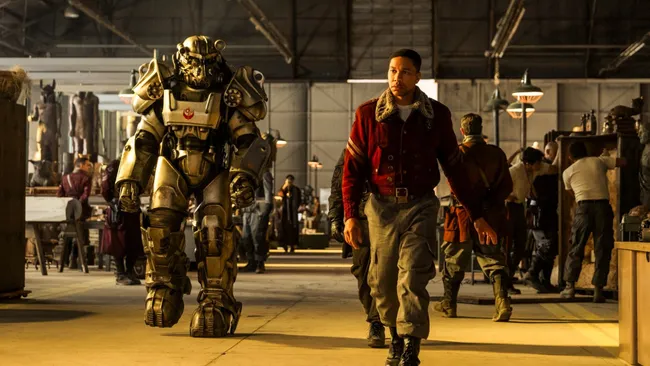
Fallout series information and episodes: https://www.windowscentral.com/gaming/zenimax-bethesda/fallout-5-affected-by-tv-series#:~:text=Fallout%205%20will,it%20works.
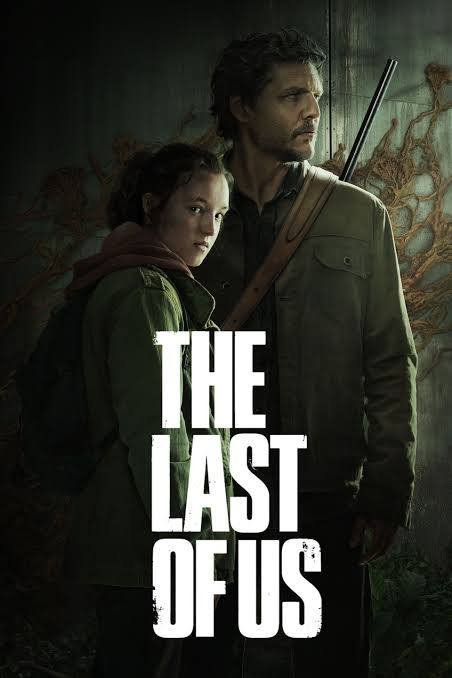
HBO’s The Last of Us – Comparative case study in game adaptations https://www.gamesradar.com/games/adventure/the-last-of-us-director-wont-use-gen-ai-even-if-it-produces-something-compelling-as-i-dont-think-prompting-is-art/#:~:text=The%20Last%20of%20Us%20director%20won%27t%20use%20Gen%20AI%20even%20if%20it%20produces%20something%20%22compelling%22%20as%20%22I%20don%E2%80%99t%20think%20prompting%20is%20art%22
Fallout 5- first trailer https://www.youtube.com/watch?v=A0Kn21S9mDE