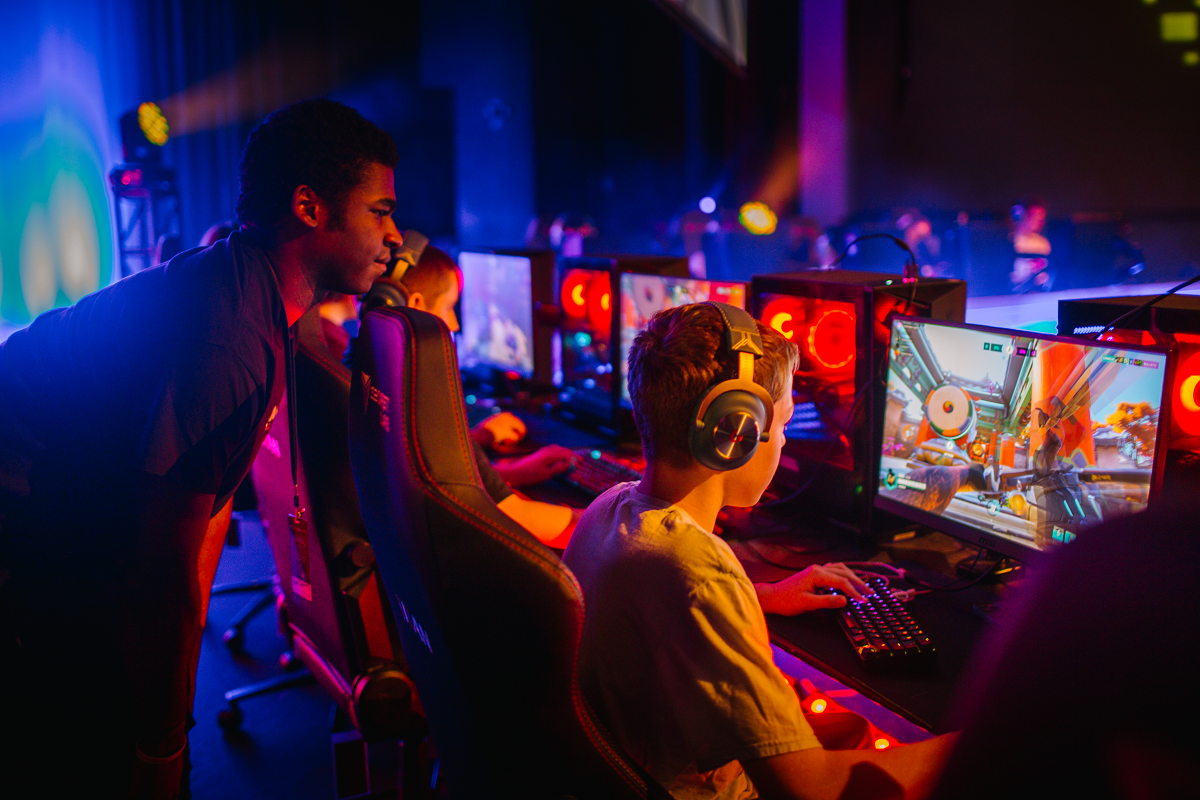
Gaming and Esports in South Africa are no longer niche hobbies: they are growing into a serious industry, culture, and opportunity for youth, creators, businesses even education.
The Big Picture: Gaming Industry Size & Growth
- South Africa has around 26.5 million gamers. The Mail & Guardian+1
- The country’s broader gaming sector generated US $296 million in 2024, positioning South Africa at the top of African markets in terms of revenue. consultancy.co.za+1
- The growth is being driven largely by mobile gaming thanks to widespread smartphone adoption, improved internet penetration, and digital-payment infrastructure. consultancy.co.za+2africacapitalwatch+2
- The local esports market alone is projected to reach ≈ US $28.9 million in 2025, with further growth expected toward 2029. Statista+1
In short: gaming is mainstream in South Africa, and the industry is scaling fast creating room for gamers, developers, organizers, brands, and educators.
Esports & Competitive Gaming What’s Happening Now
Big national-level tournaments & increasing brand support
- One of the major highlights of 2025 was Comic Con Africa 2025, which featured a major esports block under Telkom VS Gaming. The tournament included competitions such as Counter-Strike 2 (CS2) Masters and a High School Esports League (HSEL), with prize pools totaling R600 000+. MyPressportal+1
- The HSEL portion had over 90 participating schools highlighting how esports is increasingly part of youth culture and education. Media Update+1
Esports in schools and universities
- Competitive gaming is no longer just informal many high schools now have esports teams, coaches, and gaming labs. itfirst.co.za
- At university level, there is real momentum: multiple institutions have formal esports programmes, and students can compete in inter-campus leagues and national tournaments under frameworks such as Mind Sports South Africa (MSSA) and university-sport associations. Vodacom Now+1
- Popular competitive games on campuses and tournaments include titles like Rocket League, FIFA, and others depending on genre (sports, shooters, etc.) Vodacom Now+1
Teams, players & earnings
- South Africa is home to some of Africa’s top esports teams (for example Bravado Gaming, Goliath Gaming, and others) competing in FPS, battle-arena, sports and more. TechCabal+1
- Competitive gaming is increasingly seen as more than a hobby for many, it’s a way to build community, relieve stress, and possibly build a career. TechCabal+1
Why Gaming & Esports Matter for SA Youth, Tech & Business
- Pathway to employability / skills development: Esports and gaming help build teamwork, strategic thinking, digital literacy, and even public performance (streaming, content creation) skills relevant to many jobs. Schools and universities increasingly recognize this, building structured programmes around gaming. itfirst.co.za+2Vodacom Now+2
- Economic & industry opportunities: As gaming revenue grows, there’s space for local game development, esports event organization, streaming/content-creation businesses, and even tech & infrastructure growth (networks, hardware, payments). consultancy.co.za+2Focus Gaming News+2
- Cultural & community empowerment: For many young South Africans, esports provides a sense of community, shared passion, and possibility especially in a country where youth unemployment and economic uncertainty remain high. ITWeb+1
Challenges, Barriers & What Needs Improvement
- Infrastructure & access inequality: Reliable internet connectivity, stable power supply, and affordable hardware remain hurdles for many players. Load-shedding, expensive consoles/PCs (often due to import costs), and limited access in rural areas hamper equal participation. The Mail & Guardian+2ITWeb+2
- Awareness & support gaps: While universities and some schools embrace esports, many educational institutions still treat it as a “pastime” rather than a viable sport or career path many potential gamers remain unaware of opportunities. ITWeb+2itfirst.co.za+2
- Need for investment in local content and infrastructure: To truly compete globally, South Africa needs more local developers, African-centric games, servers closer to home (to reduce latency), and consistent support from brands, sponsors, and public institutions. consultancy.co.za+2Focus Gaming News+2
What the Future Could Look Like (and What to Watch For)
- If current growth continues, South Africa’s gaming and esports market will likely keep expanding creating more jobs: not just players, but event organizers, streamers, coaches, developers, content creators, and tech support.
- More educational institutions may integrate gaming into curricula or extracurricular programmes blending esports with digital skills training, design, marketing, or computer science.
- Brands, advertisers and retailers will increasingly see games as real marketing platforms placing ads, sponsorships, digital events especially as mobile gaming remains dominant.
- With investment in infrastructure (connectivity, servers, affordable hardware) and support for local developers, South Africa could also begin producing games and content relevant to African culture and audiences. That could attract global interest.
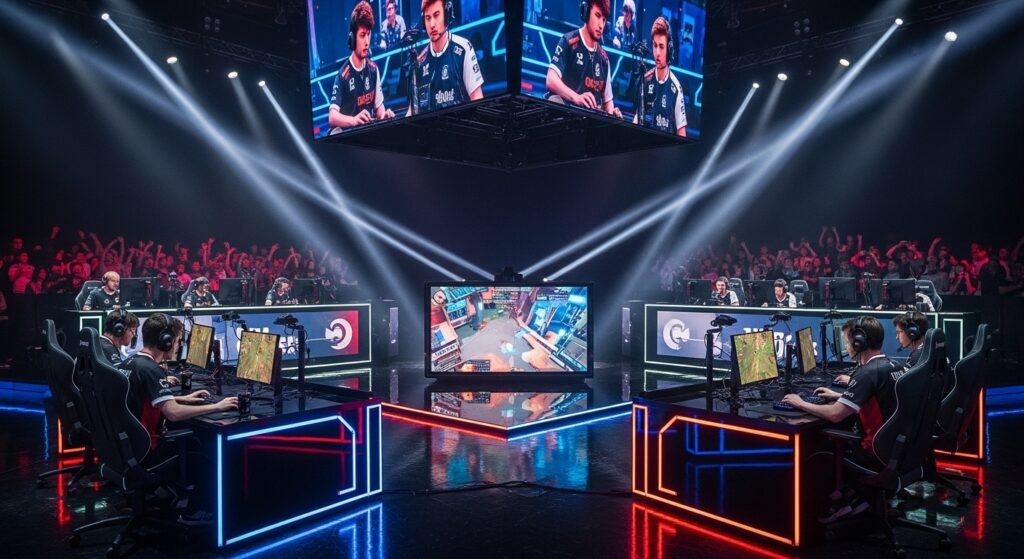
AFRICA’S LARGEST ESPORTS MARKET
South Africa remains Africa’s leading esports market, with the industry valued at $14.3 million in 2020 and projected to reach $29 million by 2025, and potentially $44.1 million by 2030. This growth at annual rates between 18.7% and 24% comes from rising sponsorships, stronger digital engagement, and widespread mobile access. A major contributor is the rapid expansion of esports betting, where fans place real-money wagers on matches, in-game events, and player performances.
According to PwC’s Africa Entertainment and Media Outlook 2025–2029, South Africa’s esports ecosystem is supported by local tournaments, campus leagues, and community gaming hubs. Organizations like Mind Sports South Africa (MSSA) and the Confederation of African Esports (CAES) continue to help players compete globally across console, mobile, and PC platforms. Private institutions are also pushing the industry forward most notably Eduvos, which launched a nationwide esports programmed in 2023. With over 300 active student gamers across 12 campuses and partnerships with multiple high schools, Eduvos is promoting esports as both a competitive sport and a tool for developing teamwork, digital skills, and critical thinking.
If you want, I can turn this into a full blog post with headings, tags, and links.
Conclusion
Gaming and esports in South Africa are not just “for fun” anymore. In 2025 they represent a growing and increasingly legitimate industry, community, and opportunity. For youth, it can be a way to connect, compete, learn, and build a future. For businesses, it’s a growing market with reach and influence. And for the broader society, it has potential to create new pathways: for talent, for innovation, and for digital growth.
If you care about tech, marketing, youth engagement or just love games yourself this is a space well worth watching (or joining).